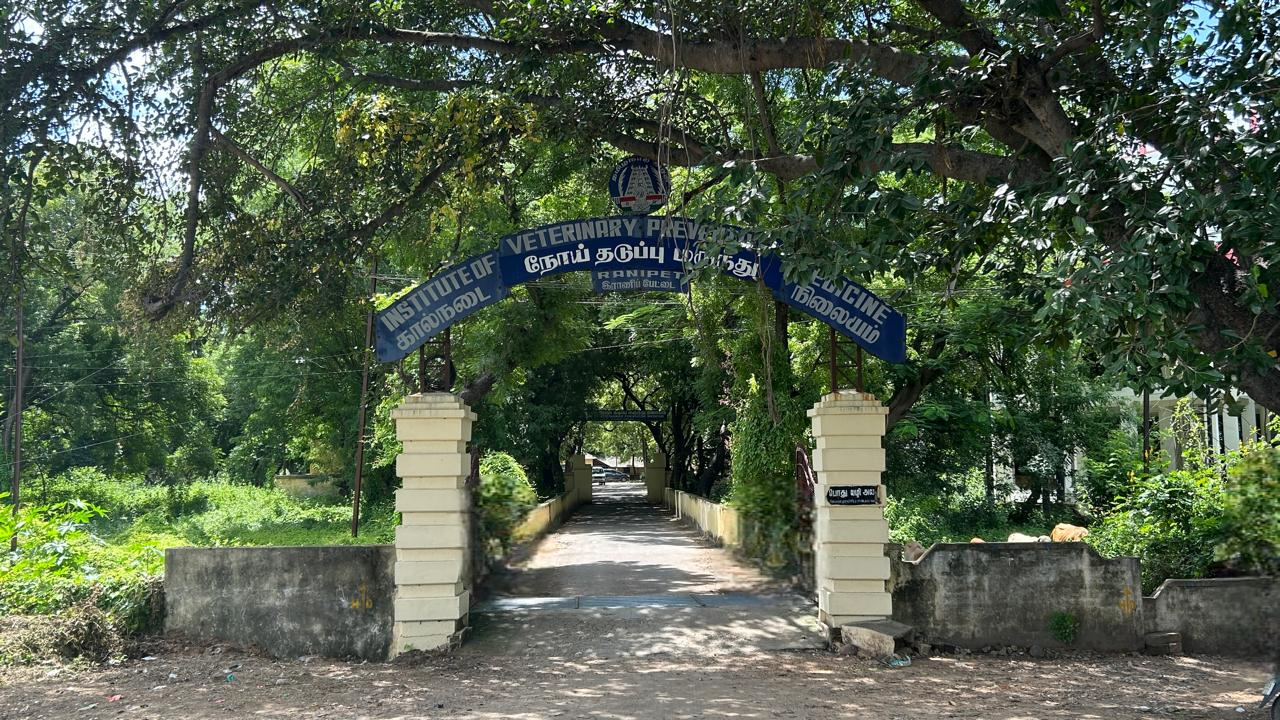
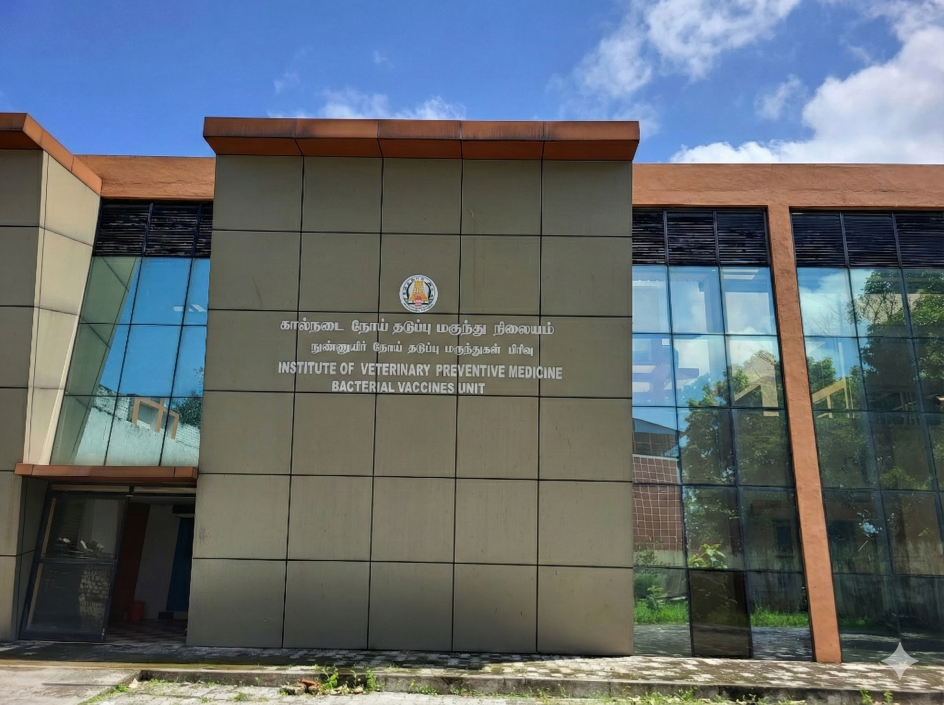
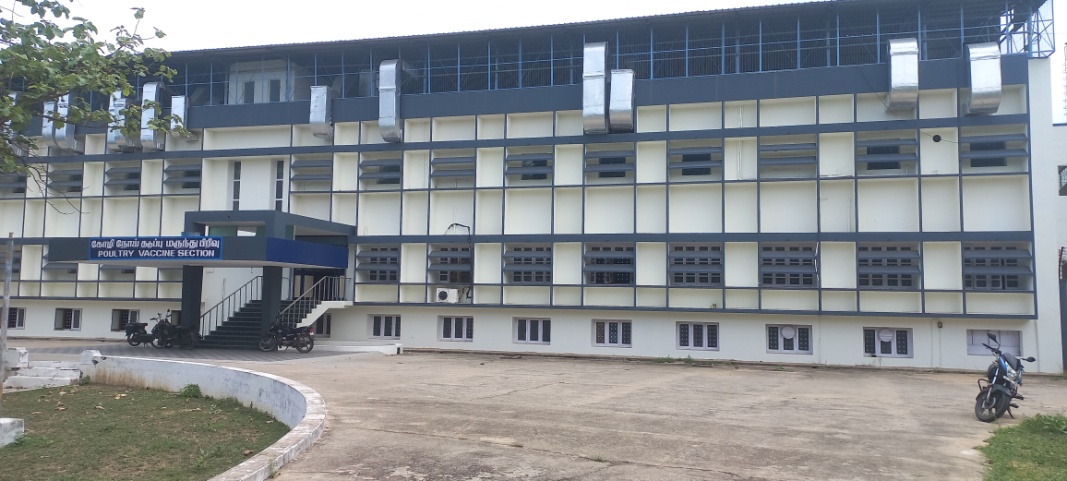
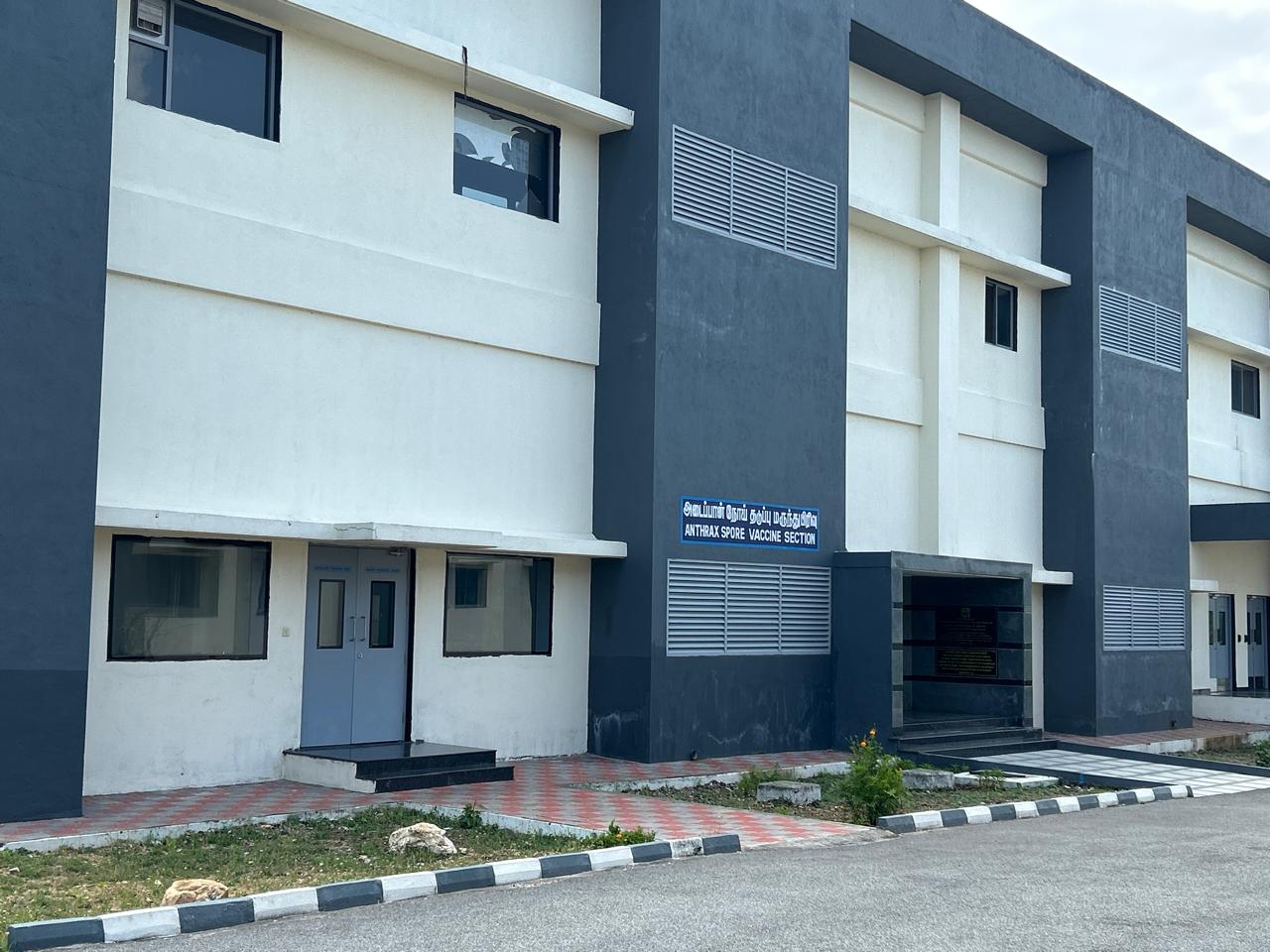
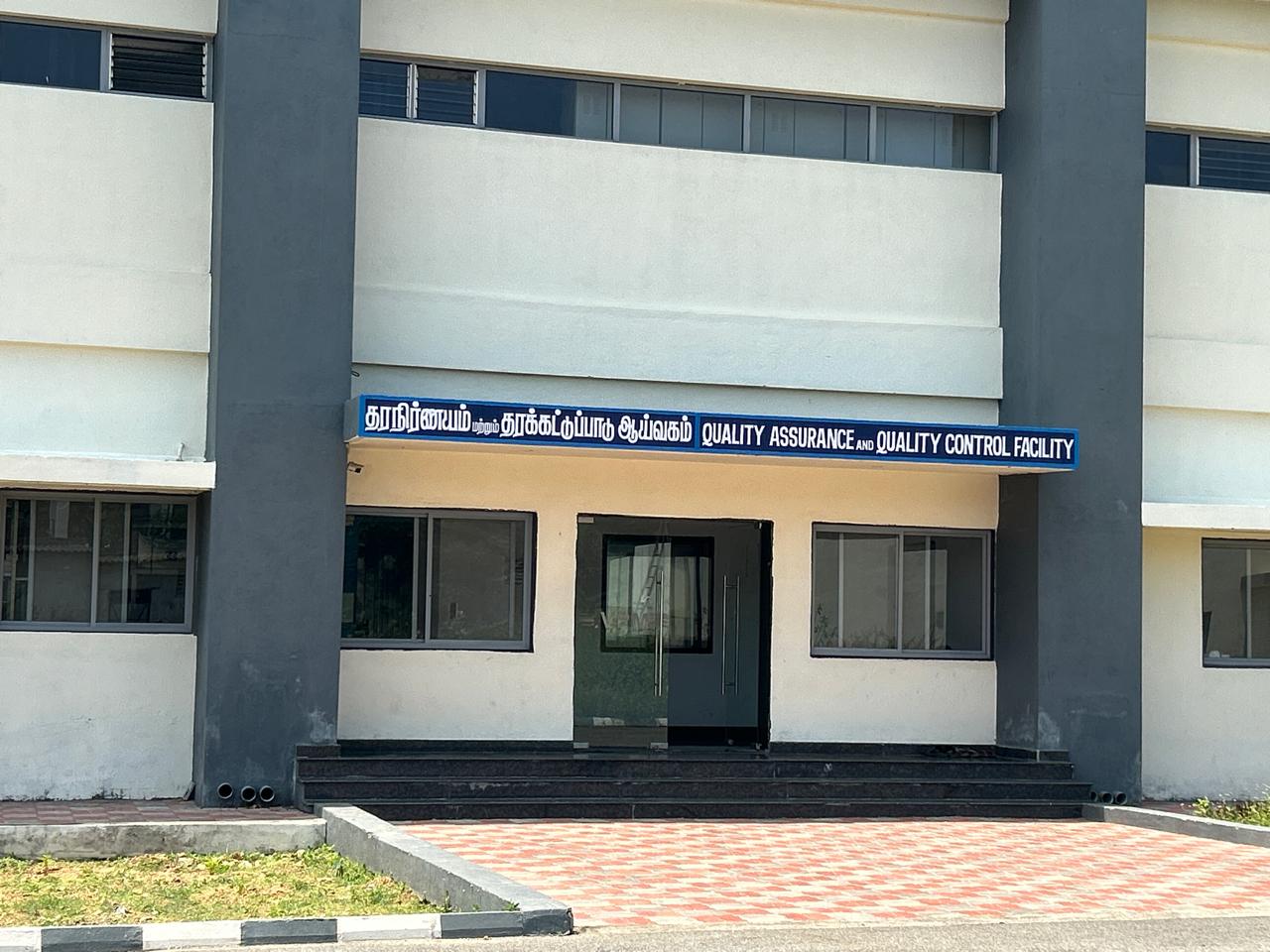
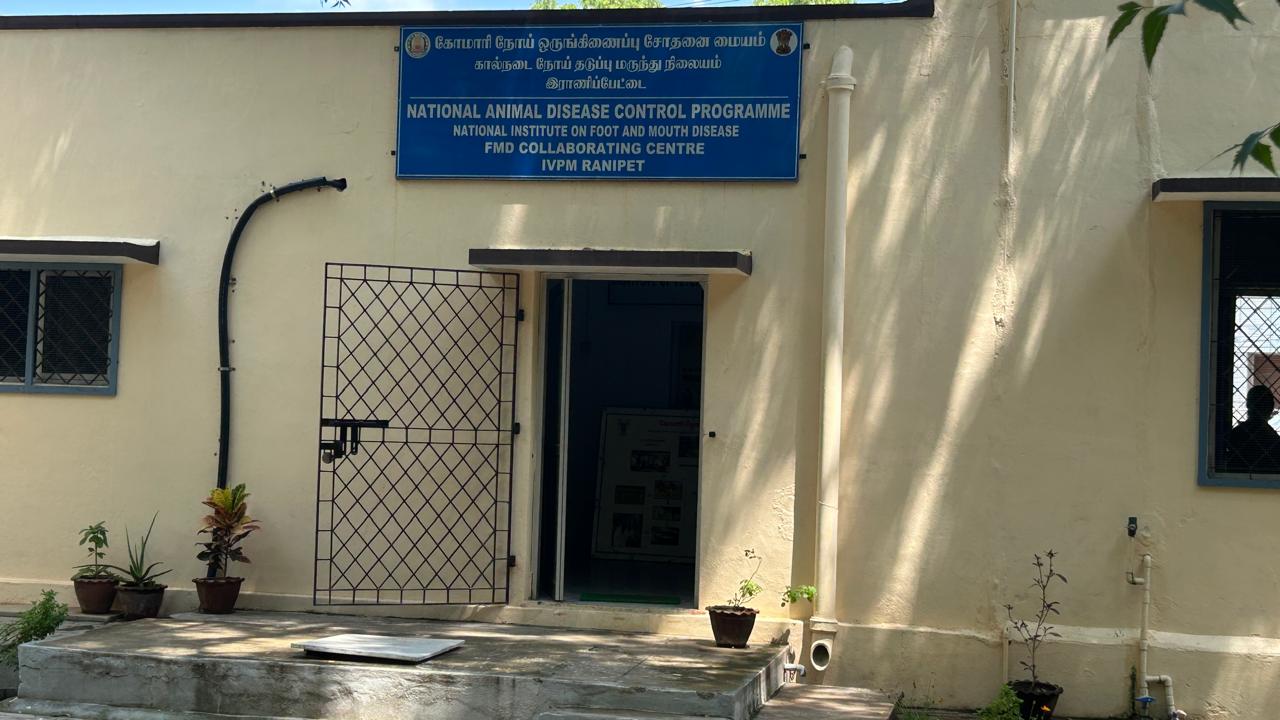
Institute of Veterinary Preventive Medicine (IVPM), Ranipet is a unit under the Department of Animal Husbandry and Veterinary Services, Government of Tamil Nadu engaged in the production of Veterinary Biologicals, In vitro Diagnostics and Pharmaceutical products primarily for the Government Veterinary Hospitals and Dispensaries in the State. This Institute was started as SERUM INSTITUTE on 07.04.1932 at Madras Veterinary College campus and was shifted to the specifically allotted premises belonged to Labour Department, at Cook’s Road, Perambur, Madras on 19.06.1932. In April 1939, this Institute was conferred with “permanent status”. In April 1942, this was shifted to Agriculture College, Coimbatore, as an emergency measure during World War II. In March 1948, it was relocated to the present campus at Ranipet with an area of 130.5 acres acquired by the State Government from the Central Defence Department under post-war reconstruction scheme, of which 5.60 acres of land has been acquired by Tamil Nadu Housing Board for construction of government quarters and 46.32 acres of land was acquired for establishment of Ranipet district Collectorate complex. This Institute was started with one Superintendent and seven Veterinary Assistant Surgeons to produce Anti-Rinderpest Serum and Bull Virus to control Rinderpest which was rampant then and has gradually expanded its production capacity during the course of past 90 years and played a major role in eradicating Rinderpest in India. At present four Bacterial Vaccines, five Viral Vaccines, five Diagnostics and one Diluent are being manufactured. In addition, this Institute functions as Collaborating Centre under the National Animal Disease Control Programme (NADCP) on Foot and Mouth Disease (FMD) to undertake Sero-monitoring and Sero-surveillance study on FMD in the state. Central Referral Laboratory is also functioning in this institute for diagnosis of livestock and poultry disease in the state. This Institute has been consistently proving itself to be a pioneer Institute among the state Veterinary Biologicals in India and progressing in up-gradation of the vaccine production facility to Good Manufacturing Standards and QA-QC laboratory to Good Laboratory Practices (GMP/GLP) as per the mandatory requirement of Drug licensing authority of India. This Institute has been registered under CCSEA for performing Animal Experimentation on veterinary biologicals as prescribed by Indian Pharmacopoeia.
-
Progressing towards GMP/GLP standards for world-class quality and compliance.
-
Governed by Statutory Committees (IBSC/IAEC) for ethical research oversight.
-
A Collaborating Centre for the National Animal Disease Control Programme (NADCP) on FMD.
Our Core Mandate: Production, Diagnostics, and Training
Supporting National Animal Health Through Essential Biologicals and Expertise
Small Animal Testing Facility with BSL III Facility
The Small Animal Testing Facility includes a Biosafety Level III (BSL-III) laboratory operating under Good Laboratory Practice standards. This facility incorporates an animal experimentation trial area for mice, rabbits, guinea pigs, and poultry. It is also equipped with a dedicated BSL-III lab for handling high-risk group organisms, such as Anthrax and Brucella. Furthermore, the facility has an effluent decontamination system for the safe disposal of waste.
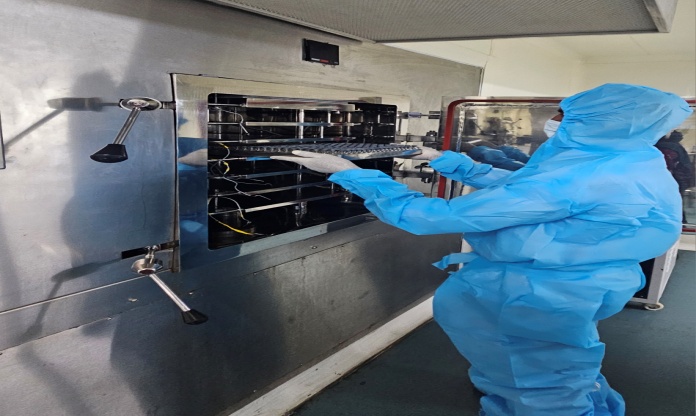
Freeze Drying Division
The specialized Freeze-Drying Division serves as a central hub for the institute, meticulously preserving viral vaccines through advanced lyophilization. This critical process ensures the stability and longevity of essential biological products, including RDVF, LaSota, RDVK, DPV, and SPV. By removing moisture under vacuum, the division maintains the potency of these life-saving vaccines for distribution and long-term storage.
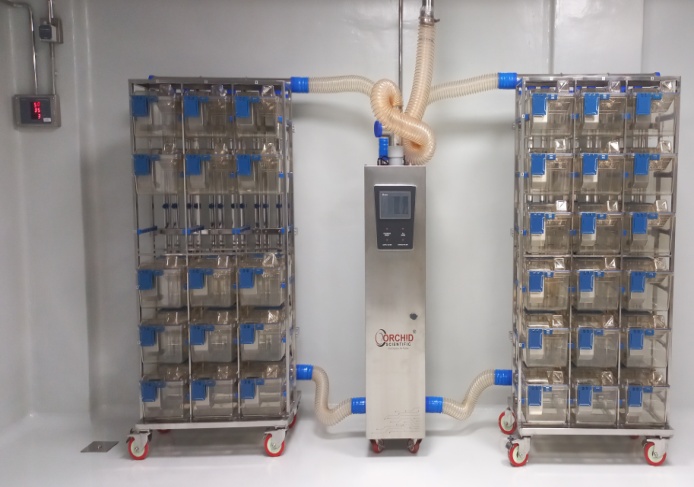
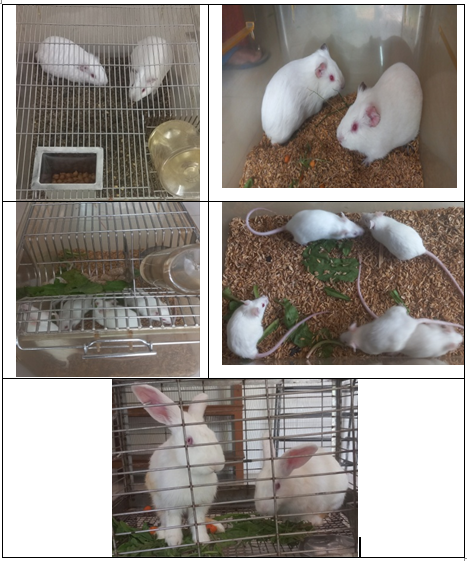
Lab Animals Division
Registered under the CCSEA and operating as per its norms, this facility undertakes the breeding and maintenance of laboratory animals required for quality control tests on biologicals manufactured in this institute. These animals include Rabbits (New Zealand White), Guinea Pigs (Dunkin Hartley), and White Mice (Swiss Albino).
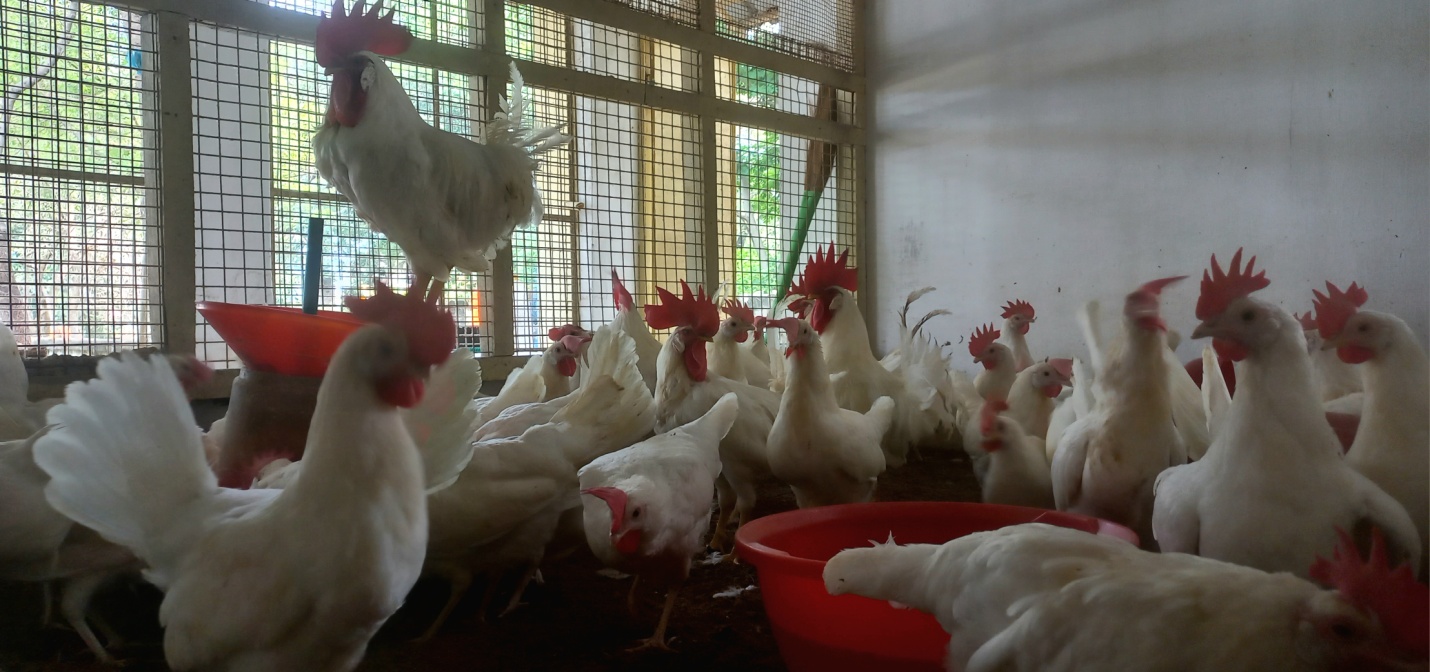
P.P.L.O Free Poultry Flock
To ensure the highest vaccine quality, the institute maintains a dedicated White Leghorn poultry flock certified free from Salmonella and Mycoplasma infections. This pathogen-free environment allows for the collection of high-grade fertile eggs, which serve as the essential biological substrate for producing embryonated egg-based poultry vaccines, ensuring maximum safety and purity for the resulting veterinary biological products.
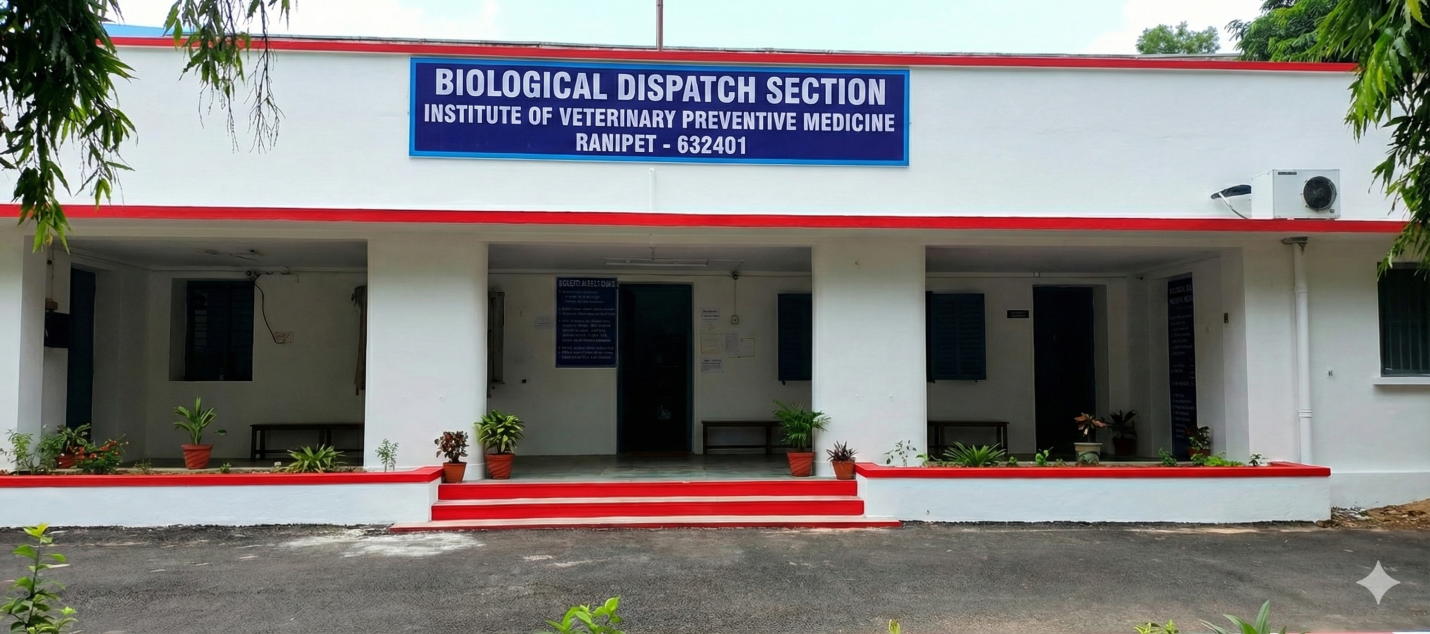
Biological Dispatch Section
This division manages the distribution of its manufactured vaccines, diagnostics, diluents, and pharmaceuticals. Supply is regulated through formal indents and established annual state targets to ensure consistent availability. Additionally, the institute support farmers to purchase these essential vaccines directly at cost, facilitating affordable access to critical livestock healthcare and disease prevention resources.
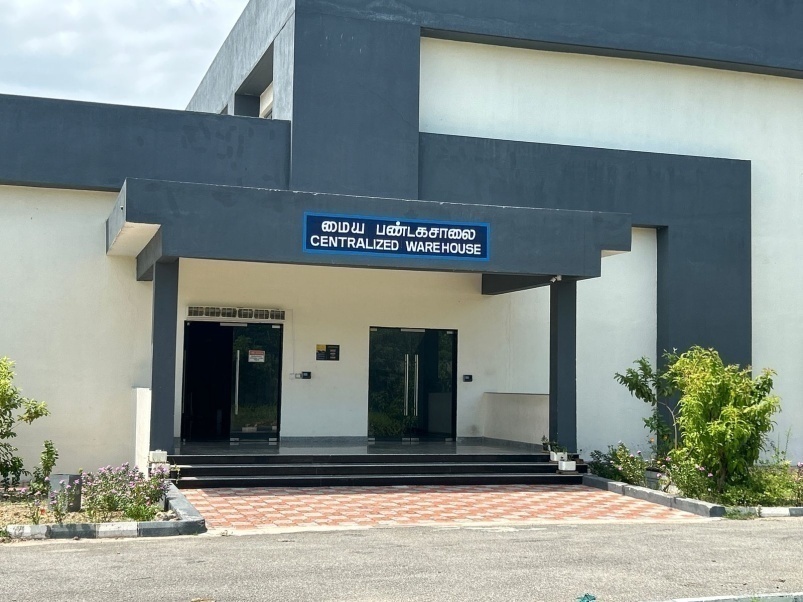
Centralized Ware House
A centralized warehouse, adhering to GMP standards, stores raw materials, packaging materials, and finished goods. This warehouse plays a critical role in the efficient distribution of raw and packaging materials to the various IVPM units, as well as the storage of finished goods prior to their distribution to the field.
Central Referral Laboratory
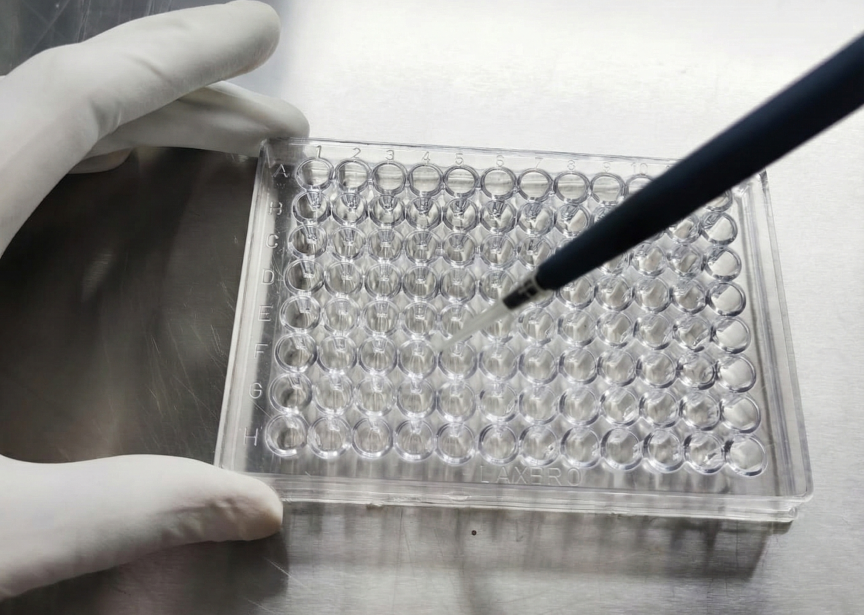
As the state's central referral laboratory, this division provides comprehensive diagnostic services for livestock and poultry to support disease control programs. A key function involves performing ELISA testing for Brucella abortus to identify suitable cows for the state’s embryo transfer technology program. This ensures the selection of disease-free animals, maintaining high standards for genetic improvement and regional animal health.
As a pioneer Institute among state Veterinary Biologicals, we continuously advance our facilities towards GMP/GLP standards and uphold ethical research through the IBSC/IAEC committees, ensuring national trust and compliance.